

By Melzware — 15 October 2026 · 4 min read
Kitchen organization containers work best when each zone gets its own type. Clear, stackable containers go in the fridge. Freezer-safe plastic goes in the freezer. Square airtight containers go in the cupboards. Only daily-use items stay on the counter. Empty one zone at a time, keep what you use, then buy containers to fit what's left.
Shop Melzware Food Storage Containers
Start with what you already own
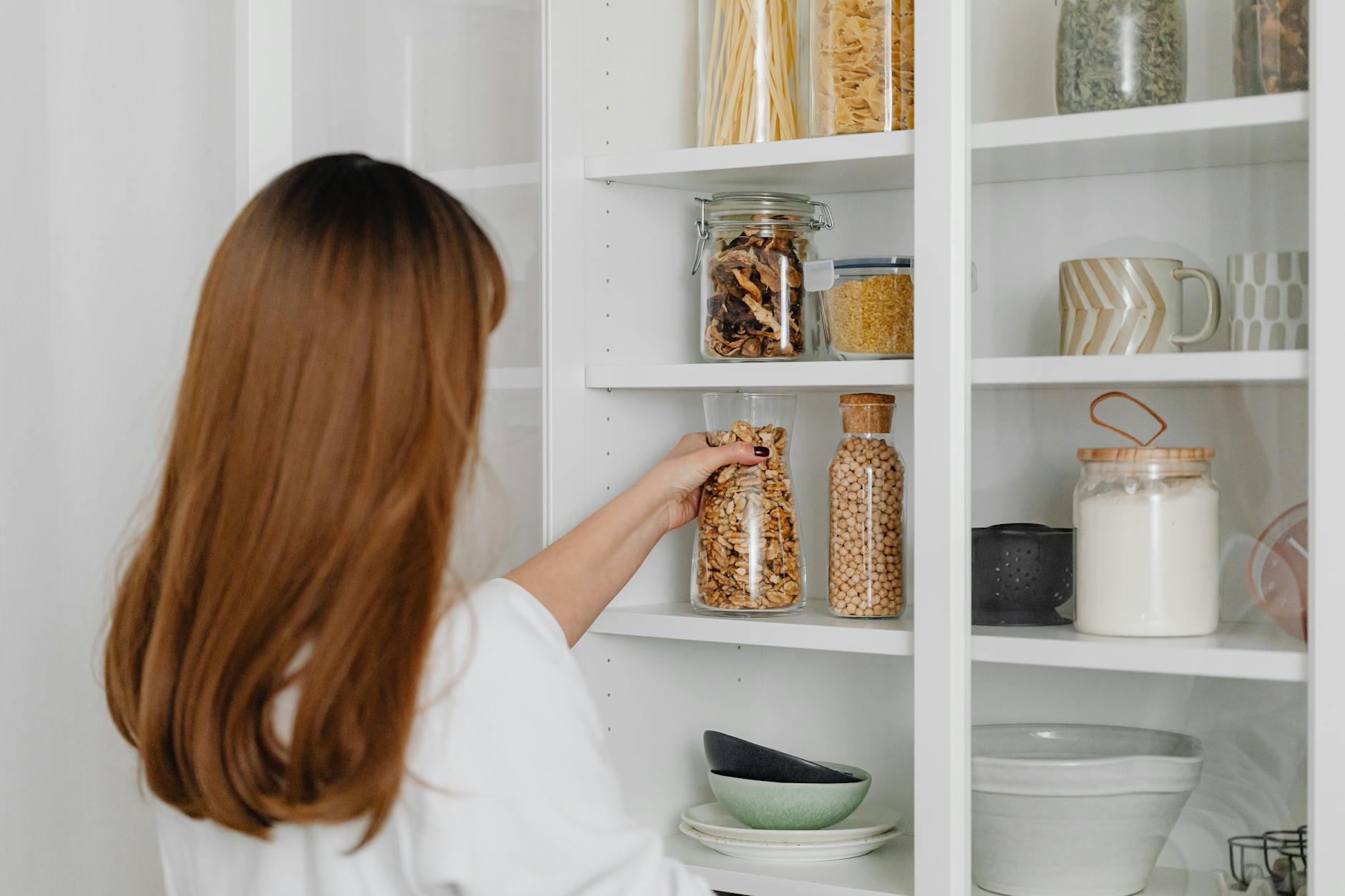
Pick one zone. Empty it and wipe it down.
- Match every container to a lid. Anything without a partner goes. A container without a lid is just a bowl with ambitions.
- Throw out cracked, warped or stained ones. Warped lids don't seal.
- Count what's left. Then work out what each zone still needs.
Our pantry storage guide covers dry goods in detail. This post covers everywhere else.
Fridge organization containers
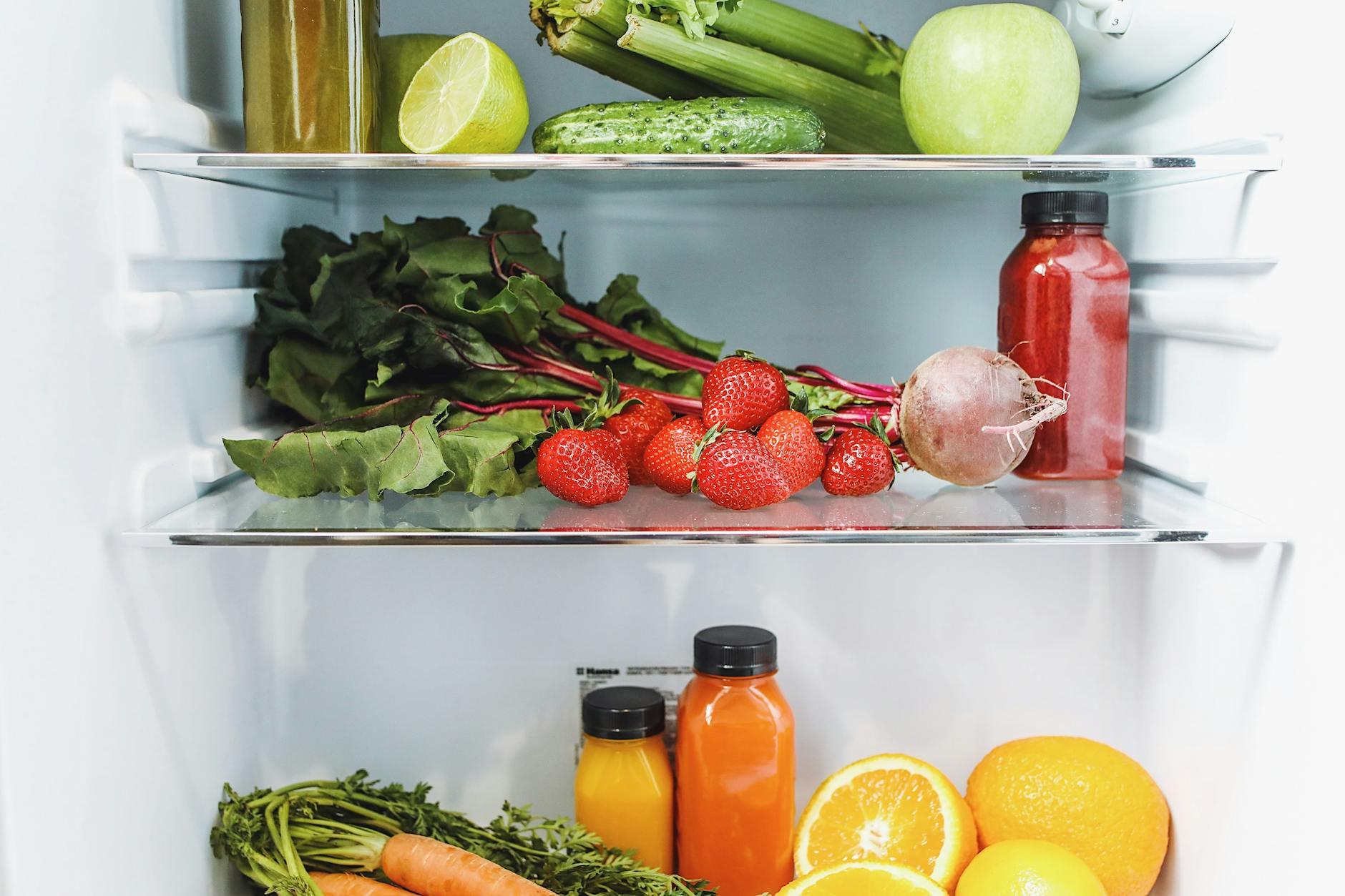
Clear storage containers for the fridge stop food getting forgotten, because you can see what's inside without opening anything.
- Top shelves: leftovers and ready-to-eat food, in clear containers at eye level.
- Bottom shelf: raw meat in a sealed container, so nothing drips onto food below.
- Drawers: fruit and vegetables. Washed salad keeps better in a lidded container lined with paper towel.
Here's our view: you need about 5 leftover containers, not 24. The USDA says leftovers last 3 to 4 days, so anything older than that should be in the bin, not taking up a container. Our 5 Piece Clear Airtight Containers cost R499. For leftovers you'll reheat, our 12 Piece Glass Food Storage Containers are microwave and oven safe and stack in the fridge.
Keep the fridge at 4°C or colder, as the FDA recommends, and don't pack it so tightly that air can't circulate.
Freezer storage containers

Square, stackable food storage containers turn a freezer from a pile into shelves.
- Check it's freezer safe. Our 16 Piece Airtight Plastic Containers are rated for freezer, fridge and microwave.
- Use shallow containers. Food cools faster, which the USDA recommends for leftovers.
- Leave a gap at the top. Soups and stews expand as they freeze.
- Label the contents and date. Frozen food is hard to identify a month later.
The FDA recommends a freezer temperature of -18°C.
Cupboards and counter
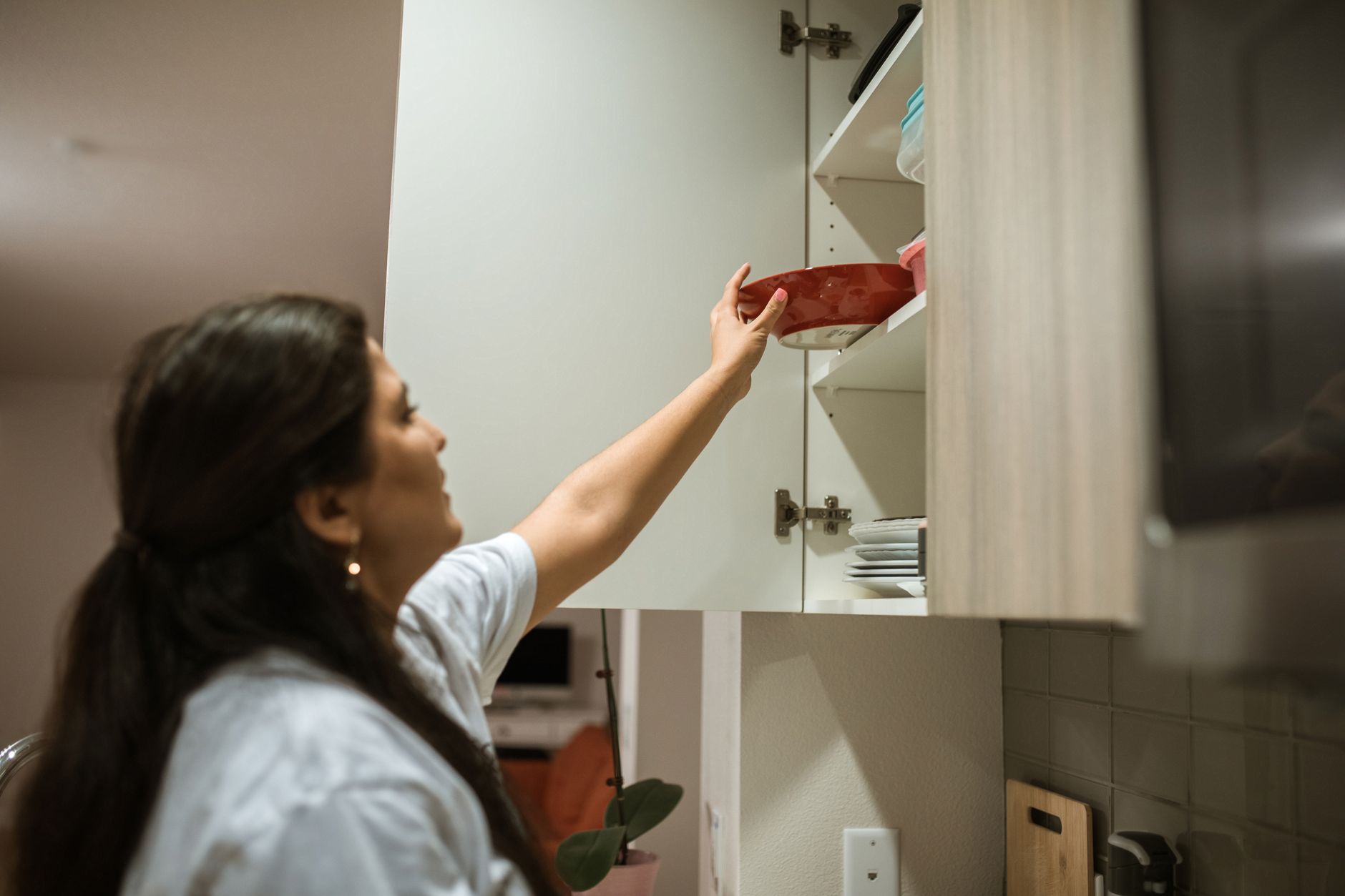
- Store by task. Coffee and tea near the kettle. Oil, salt and spices near the stove. Lunchboxes near the fridge.
- Choose square over round. Square containers use the corners of a cupboard. Round ones waste them.
- Decant bulky boxes. Snacks and crackers take less space in a clear container than in a half-empty box.
- Keep the counter for daily items. If you don't use it every day, it belongs in a cupboard.
When you don't need more containers
- Your cupboards are already full of mismatched ones. Sort and pair them first.
- You don't cook leftovers or batch-cook. A couple of containers will do.
- Food is going off before you eat it. That's a shopping problem. Containers won't fix it.
Frequently Asked Questions
What containers are best for organising a fridge?
Clear, square, stackable containers with tight lids. Clear sides let you see leftovers before they're forgotten, and square shapes waste less shelf space than round ones. Glass works well for leftovers you'll reheat.
Can plastic food containers go in the freezer?
Only if the manufacturer says they're freezer safe. Check the product label, leave a little space at the top for liquids to expand, and let the container thaw slightly before forcing the lid off.
How long do leftovers last in a container in the fridge?
The USDA says 3 to 4 days. Keep the fridge at 4°C or colder, refrigerate leftovers within 2 hours of cooking, and write the date on the lid so you know when day 4 arrives.
How many food storage containers does a kitchen need?
Fewer than most people own. About 5 for fridge leftovers, a handful of freezer-safe ones for batch cooking, and enough cupboard containers for the dry foods you open every week. Count what you have before buying more.
Related at Melzware
- Shop clear food storage containers
- Which pantry container for which food
- Glass storage containers with lids