

By Melzware — 9 October 2026 · 8 min read
The best glass storage containers with lids are made of borosilicate glass and have locking lids with a silicone seal. Borosilicate handles the jump from fridge to microwave or oven without cracking, and a gasket lid keeps food airtight and stops leaks. Use them for leftovers, meal prep and anything you'll reheat. For dry pantry goods and children's lunch boxes, plastic is the better buy.
Shop Glass Containers at Melzware
Why glass storage containers with lids are worth it
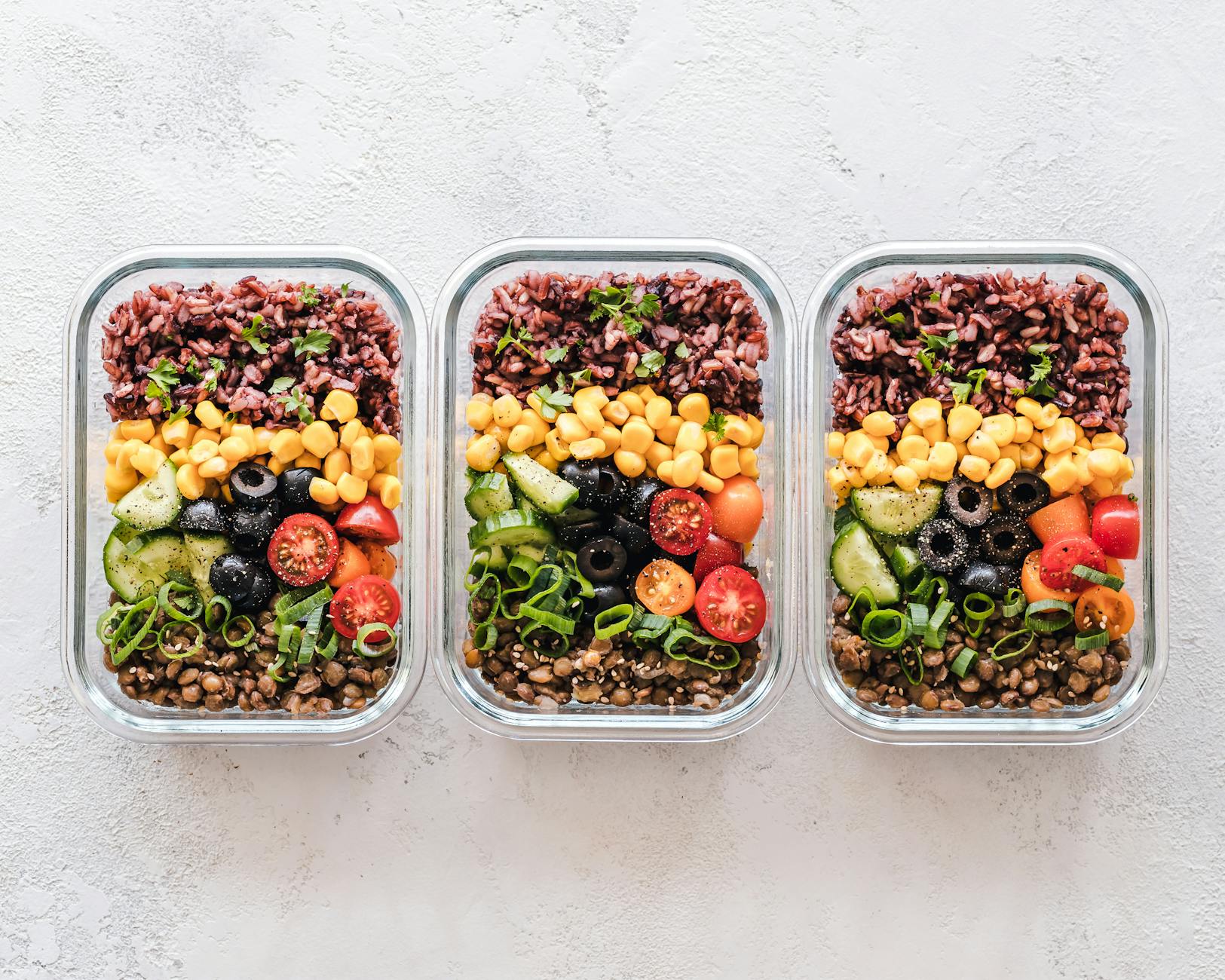
Glass does four things plastic can't do as well.
- It doesn't stain. Tomato sauce, curry and turmeric wash straight off. The same food leaves plastic orange for good.
- It doesn't hold smells. Monday's garlic chicken won't flavour Thursday's fruit salad.
- It goes from fridge to oven. Cook, store and reheat in one dish. That's one less pot to wash.
- You can see what's inside. Clear sides make it obvious what needs eating first, so less food gets forgotten at the back of the fridge.
The trade-offs are weight, price and the fact that it breaks if you drop it on a tiled floor. For food that lives in the fridge and gets reheated, those trade-offs are worth it. For everything else, see the last section.
Borosilicate vs soda-lime glass
Most listings just say "glass". There are two kinds, and they behave differently.
| Borosilicate | Soda-lime (often "tempered") | |
|---|---|---|
| Sudden temperature changes | Handles them well | More likely to crack |
| Knocks and drops | Slightly less tough | Slightly tougher |
| Weight | Lighter | Heavier |
| Price | Higher | Lower |
Here's our view: if a container will ever go near an oven, buy borosilicate. When America's Test Kitchen tested glass storage sets, the manufacturer limits varied widely: one borosilicate set was rated to 510°C (950°F), while a soda-lime set stopped at 230°C (450°F). In everyday use their testers found little difference, but the risk is the day something goes wrong. Thermal shock is the most common way glass containers break, and borosilicate gives you more room for error. That's worth paying for in a dish that goes in the oven.
If a listing doesn't name the glass type, assume soda-lime.
Glass containers with lids: which lid for which job

The glass usually outlasts the lid. Choose the lid for how you'll actually use the container.
- Snap-lock plastic with a silicone seal. Four clips press down onto a rubber gasket. This is the most leak-proof option and the one to choose for soup, curry and anything that travels in a bag. Some have a steam vent, so you can microwave with the lid resting on top.
- Bamboo with a silicone rim. Looks good on an open shelf or the counter. It seals well for the fridge and dry food, but it doesn't clip shut, so don't trust it with liquids in a bag. Hand-wash only.
- Glass lids. No plastic touches the food, but they're heavy, they chip, and most still need a plastic or silicone rim to seal.
Whichever you pick, no lid goes in the oven. Only the glass base does.
Sizes and shapes to buy
A useful set of glass food storage containers with lids covers three jobs.
- Large (around 1 litre or more): family leftovers, a batch of mince, or a small bake that goes straight in the oven.
- Medium (around 600ml to 850ml): one adult portion of a main meal. These get used most, so you want several.
- Small (around 300ml to 400ml): sauces, dips, cut fruit and half an onion.
Rectangular containers stack neatly and waste less fridge space. Round ones heat more evenly in the microwave, with fewer cold corners. Most households do well with mostly rectangular and one or two round.
Check that the set nests. Glass takes up a lot of cupboard space if every piece has to be stored separately.
Melzware glass food storage containers with lids
We sell two glass sets. Both are borosilicate, BPA-free, microwave and oven safe (base only) and dishwasher safe, and both have silicone seals.
| Set | Lid | Best for | Price |
|---|---|---|---|
| 12 Piece Glass Food Storage Containers | Easy-lock, silicone seal | Meal prep, leftovers, food that travels | R1399 |
| 4 Piece Glass Food Containers with Bamboo Lids | Bamboo, silicone seal | Fridge storage, counter-top snacks, open shelves | R799 |
If you cook once and eat from the same dish for days, the 12 piece set is the one. If you mostly want tidy fridge storage that looks good when the door is open, go for the bamboo set. For a full Sunday prep routine using these, see our guide to lunch meal prep containers.
Freezer, microwave and oven: how to stop glass cracking
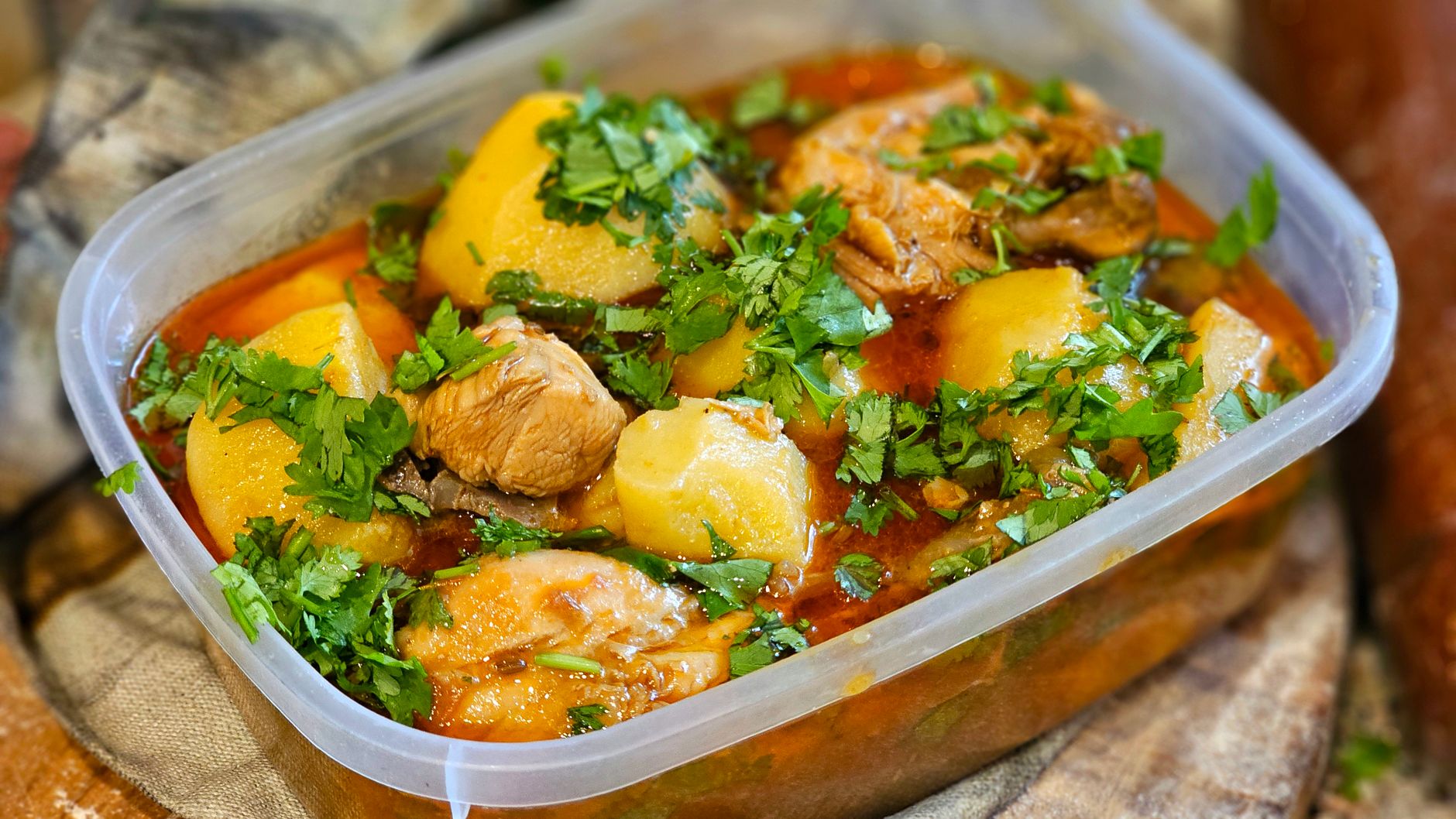
Glass cracks from thermal shock, which is a big temperature change happening too fast. Borosilicate handles it better than soda-lime, but no glass likes extremes.
Freezer
- Let food cool before it goes in. Get it into the fridge or freezer within 2 hours of cooking.
- Leave about 2cm of space at the top. Soup and stew expand as they freeze, and a full container can crack.
- Frozen food stays safe indefinitely, but quality is best within 3 to 4 months for most cooked dishes, according to the USDA.
Microwave
- Unclip the lid and rest it on top, or open the steam vent. A sealed lid traps steam and can pop off or warp.
- Thaw frozen food in the fridge overnight first, or use the defrost setting before full power.
Oven
- Lid off, always.
- Never go straight from freezer to oven. Thaw in the fridge first.
- Put the dish in before the oven is fully hot, so the glass warms up with the air around it.
- When it comes out, put it on a dry wooden board or a folded tea towel. A wet or cold granite counter is how most dishes crack.
One hard knock can leave a chip that turns into a crack months later. Retire any container with a chip on the rim.
Cleaning and caring for lids and seals
The lid is the part that wears out, so look after it.
- Pull the silicone seal out every few weeks and wash it separately. Food and water collect behind it and start to smell.
- Put plastic lids on the top rack of the dishwasher, away from the heating element.
- Hand-wash bamboo lids and dry them straight away. Rub in a little food-safe mineral oil every month or two to stop them drying out and cracking.
- Replace a lid when the clips stop clicking firmly. A lid that no longer seals turns a glass container into a dish with a hat on.
When glass isn't the right buy

Glass isn't the answer for every container in your kitchen.
- Pantry dry goods. Rice, flour, pasta and cereal don't need reheating, and a glass canister falling off a high shelf is dangerous. Our clear food storage containers are lighter and won't shatter. Our kitchen storage containers guide covers pantry set-up in full.
- Children's lunch boxes. Too heavy for a school bag and too easy to drop. Use BPA-free plastic.
- Long commutes on foot or by taxi. A full glass container plus lunch adds real weight to your bag. Plastic lunch box containers make more sense.
- You never reheat in the container. If you always tip food onto a plate first, you're paying extra for oven-safe glass you won't use.
Frequently Asked Questions
Are glass storage containers with lids better than plastic?
For leftovers and meal prep, yes. Glass does not stain or hold smells, and you can reheat food in the same container in the microwave or oven. Plastic is better for dry pantry goods, lunch boxes for children and anything that might be dropped, because it is lighter and will not shatter.
Can glass containers with lids go in the freezer?
Yes, if the container is labelled freezer safe. Let food cool first, leave about 2cm of space at the top because food expands as it freezes, and thaw the container in the fridge rather than moving it straight into a hot oven or microwave.
Can I put glass food storage containers with lids in the oven?
The glass base can go in the oven if it is marked oven safe, but take the lid off first. Plastic snap-lock lids and bamboo lids are not oven safe. Put the container into a cold or gently preheated oven rather than a very hot one, and never straight from the freezer.
What is the difference between borosilicate and soda-lime glass?
Borosilicate glass handles sudden temperature changes much better, so it is less likely to crack when it goes from cold to hot. Soda-lime glass is cheaper and slightly tougher against knocks, but more likely to crack from thermal shock. For containers that go between the freezer, microwave and oven, borosilicate is the safer choice.
Why did my glass container crack?
Almost always thermal shock: a big, fast temperature change. Common causes are moving a container from the freezer straight into a hot oven, pouring boiling liquid into cold glass, or putting a hot dish on a wet or cold counter. A chip or scratch on the rim also weakens glass and makes cracking more likely.
Are the lids dishwasher safe?
Plastic snap-lock lids are usually top-rack dishwasher safe; check the label on your set. Take the silicone seal out now and then and wash it separately so food does not build up behind it. Bamboo lids should be washed by hand and dried straight away, because soaking and dishwasher heat make wood crack.
Related at Melzware
- Shop glass food containers
- Shop lunch box containers
- Meal prep containers: how to choose ones that last the week
- Lunch meal prep containers: how to prep a week of work lunches