

By Melzware — 21 October 2026 · 5 min read
To remove stains from plastic containers, cover the stain in a paste of bicarb and water for 30 minutes, scrub, then leave the container in direct sun for an afternoon. A one-to-one vinegar and water soak handles lighter marks. Old curry stains may fade rather than vanish. That orange tint from 2023 is probably staying. For smells, the culprit is usually the lid seal, not the box.
Shop Melzware Food Storage Containers
Why tomato and curry stain plastic

Tomato stains on plastic containers come from carotenoids, the pigments that make tomatoes red and carrots orange. They dissolve in oil, not water, and plastic attracts oil. Turmeric in curry does the same. Heat speeds it up, so a hot bolognaise or a microwaved curry stains far more than a cold one.
How to remove stains from plastic containers
Start at the top and stop when the stain is gone.
- Dish soap and a dry paper towel. Squeeze soap into the dry container and rub hard with a paper towel before adding water. Soap grips the oil better without water in the way.
- Vinegar soak. Fill with equal parts white vinegar and warm water. Leave for two to three hours, then wash.
- Bicarb paste. Mix bicarb with a little warm water until it looks like toothpaste. Cover the stain, leave it for 30 minutes, then scrub with a soft sponge.
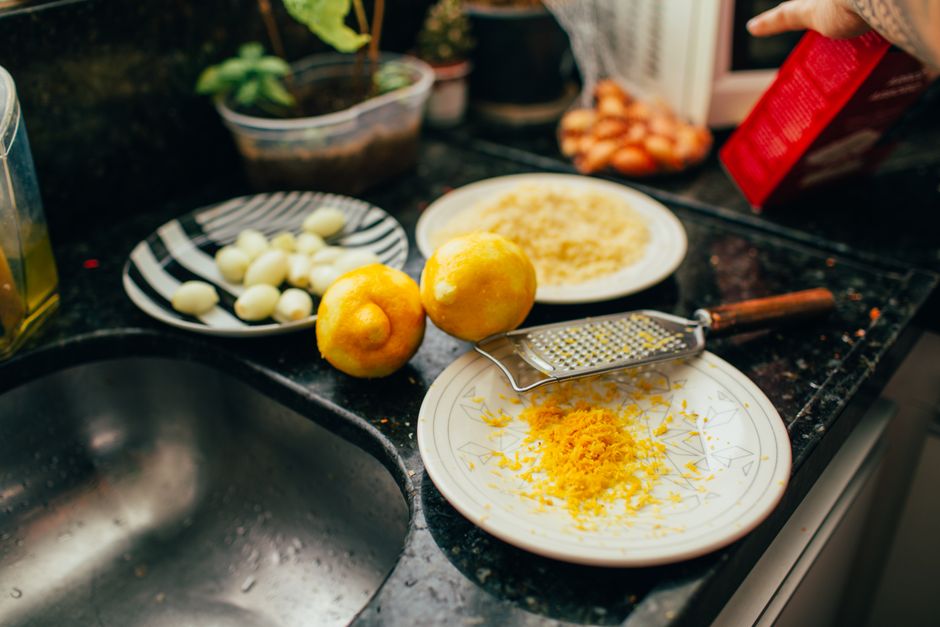
- Lemon and sun. Rub the stain with lemon juice and leave the open container in direct sun. Highveld sun fades curry stains in an afternoon. Coastal winter sun may take a few days.
- Hand sanitiser. The alcohol in sanitiser lifts oily pigment. Rub a little on with a paper towel, then wash well.
- Diluted bleach, last. One tablespoon to a cup of water for an hour, then rinse thoroughly. Never mix bleach with vinegar.
Our view: bleach is rarely worth it on food containers. Bicarb plus a day in the sun clears most stains without a chemical rinse.
Skip steel wool. Scratches trap new stains and smells.
How to get the smell out of plastic containers and lids

The top stain guides focus on the box. Most smells actually live in the lid.
- Remove the seal. If the silicone ring lifts out of the lid groove, ease it out with a blunt butter knife. Garlic, onion and fish smells collect there.
- Soak seal and lid separately. Two tablespoons of bicarb in warm water, at least 30 minutes, overnight for strong smells. Use a vinegar soak for fish.
- Scrub the groove. An old toothbrush reaches where a sponge can't.
- Dry everything fully. Leave the seal, lid and box apart until bone dry. A damp seal in a closed container breeds the smell back.
- Still smells? Put crumpled newspaper inside, close the lid and leave it for a day or two.
Don't pour boiling water into plastic. It can warp the box so the lid never seals again. For the fastest everyday fix, see the stains and smells tips in our meal prep containers guide.
How to stop plastic containers staining

- Cool sauces before you pack them. Heat drives the pigment in.
- Wipe a thin film of oil or cooking spray inside first. The pigment sticks to the oil, not the plastic.
- Rinse straight after eating. A ten-second rinse at the office sink beats an hour of scrubbing on Sunday.
- Reheat on a plate. Tip curry onto a plate before microwaving instead of heating it in the plastic.
When not to buy more plastic: if most of your meals are curries, stews and tomato sauces, plastic will always fight you. Our glass containers don't stain, and go from freezer to oven. Keep plastic for dry food, salads and lunch boxes, where it's lighter and won't break.
Frequently Asked Questions
Does the dishwasher make plastic container stains worse?
It can. Hot water helps tomato and curry pigment sink deeper into plastic. Rinse saucy containers by hand straight after eating, then put them in the dishwasher once the colour is gone.
Is it safe to use bleach on food containers?
Diluted bleach works, about one tablespoon to a cup of water, but rinse very well afterwards and never mix it with vinegar, which releases chlorine gas. Try bicarb, vinegar and sunlight first.
Can I mix bicarb and vinegar?
You can, and the fizz helps loosen grease. Use them one after the other rather than expecting the mix to bleach a stain, because the two partly cancel each other out.
When should I throw a plastic container away?
When it is cracked, warped so the lid won't seal, deeply scratched, or still smells after a bicarb soak and a day in the sun. A faint stain alone is not a reason to bin it.
Related at Melzware
- Shop lunch box and meal prep containers
- Shop glass containers
- Meal prep containers: how to choose airtight containers that last the week