

By Melzware — 13 October 2026 · 9 min read
Most home kitchens need three cooking pots: a small saucepan for sauces and rice, a large stock pot for pasta and soup, and a heavy casserole pot for stews. Stainless steel is the best all-round material because it works on every stove and lasts for years. Granite non-stick suits people who want easy cleaning over longevity.
Types of cooking pots and what each one cooks
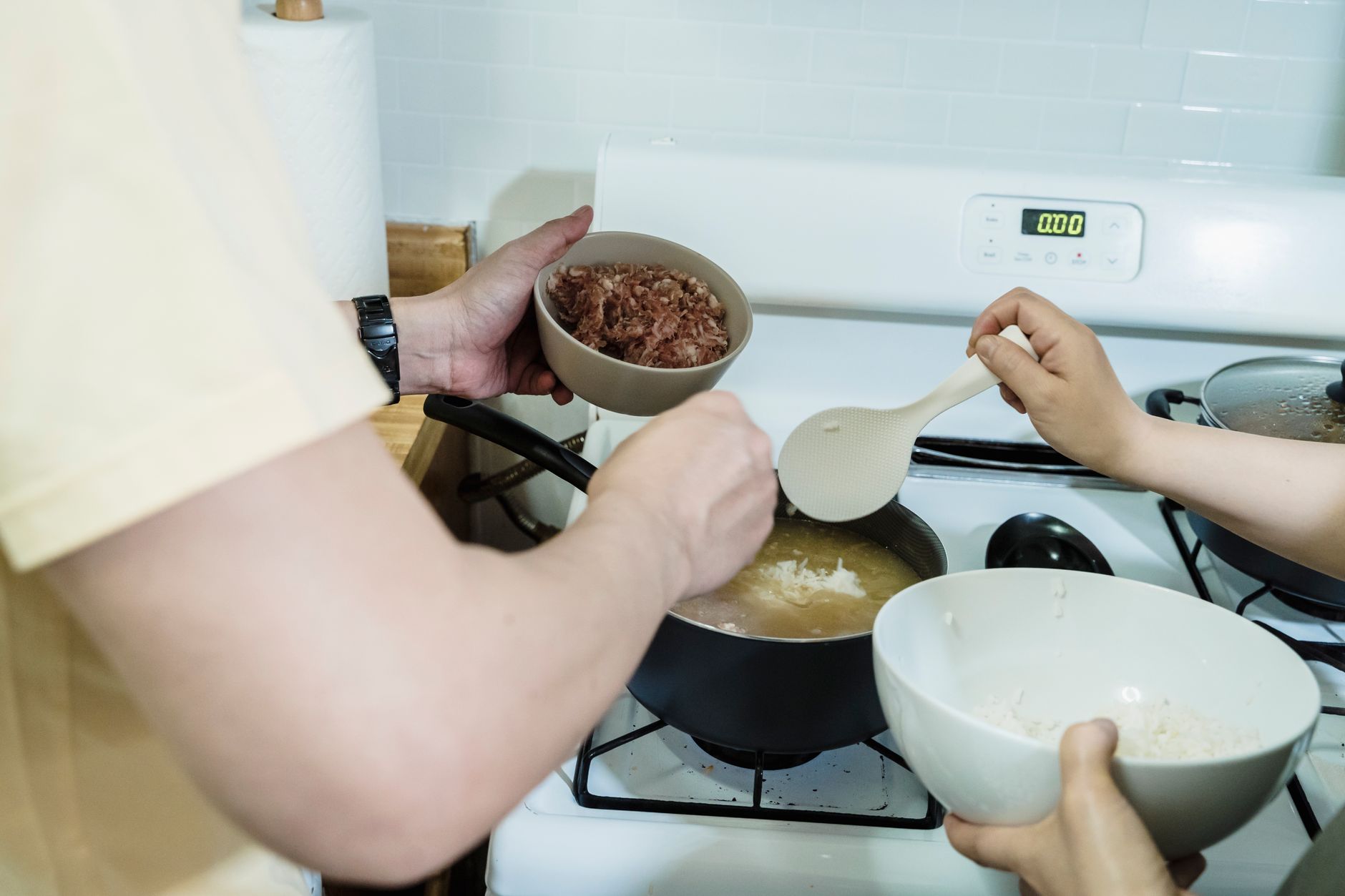
A pot has tall sides and holds liquid. A pan has low sides and lets moisture escape. These are the pots you will find in most kitchens, and what each one is for.
Saucepan
A small to medium pot with one long handle and a lid. Use it for rice, pap, sauces, custard, boiled eggs and reheating soup. If you only buy one pot, buy a medium saucepan.
Stock pot
Tall, wide and deep, with two side handles. Use it for pasta, soup, stock, mealies and anything cooked in bulk. Its height keeps food under water and slows evaporation over long simmers.
Casserole pot or Dutch oven
A heavy, thick-walled pot with a tight lid and two handles. It holds heat for hours, so it suits stews, curries, oxtail and bread. Most can go from the stove into the oven.
Sauté pan and braiser
Somewhere between a pot and a pan. A wide base and straight sides let you brown meat, then add liquid and simmer in the same pan.
Potjie pot
The round, three-legged cast iron pot made for cooking over coals. It does one job, slow layered stews, and does it better than anything else. A potjie is less a pot than an afternoon.
Pressure cooker
A sealed pot that cooks with trapped steam. It cuts the time for beans, tough cuts and stock by more than half. Useful if you cook those often. A cupboard ornament if you do not.
| Pot | Best for | Skip it if |
|---|---|---|
| Saucepan | Rice, sauces, small portions | Never. Everyone needs one. |
| Stock pot | Pasta, soup, batch cooking | You cook for one and never batch cook |
| Casserole pot | Stews, curries, oven dishes | You rarely cook anything slowly |
| Sauté pan | Brown-then-simmer dishes | You already own a deep frying pan with a lid |
| Potjie | Outdoor stews over coals | You do not braai |
| Pressure cooker | Beans, tough meat, stock | You buy tinned beans and quick-cook cuts |
Types of cookware materials compared
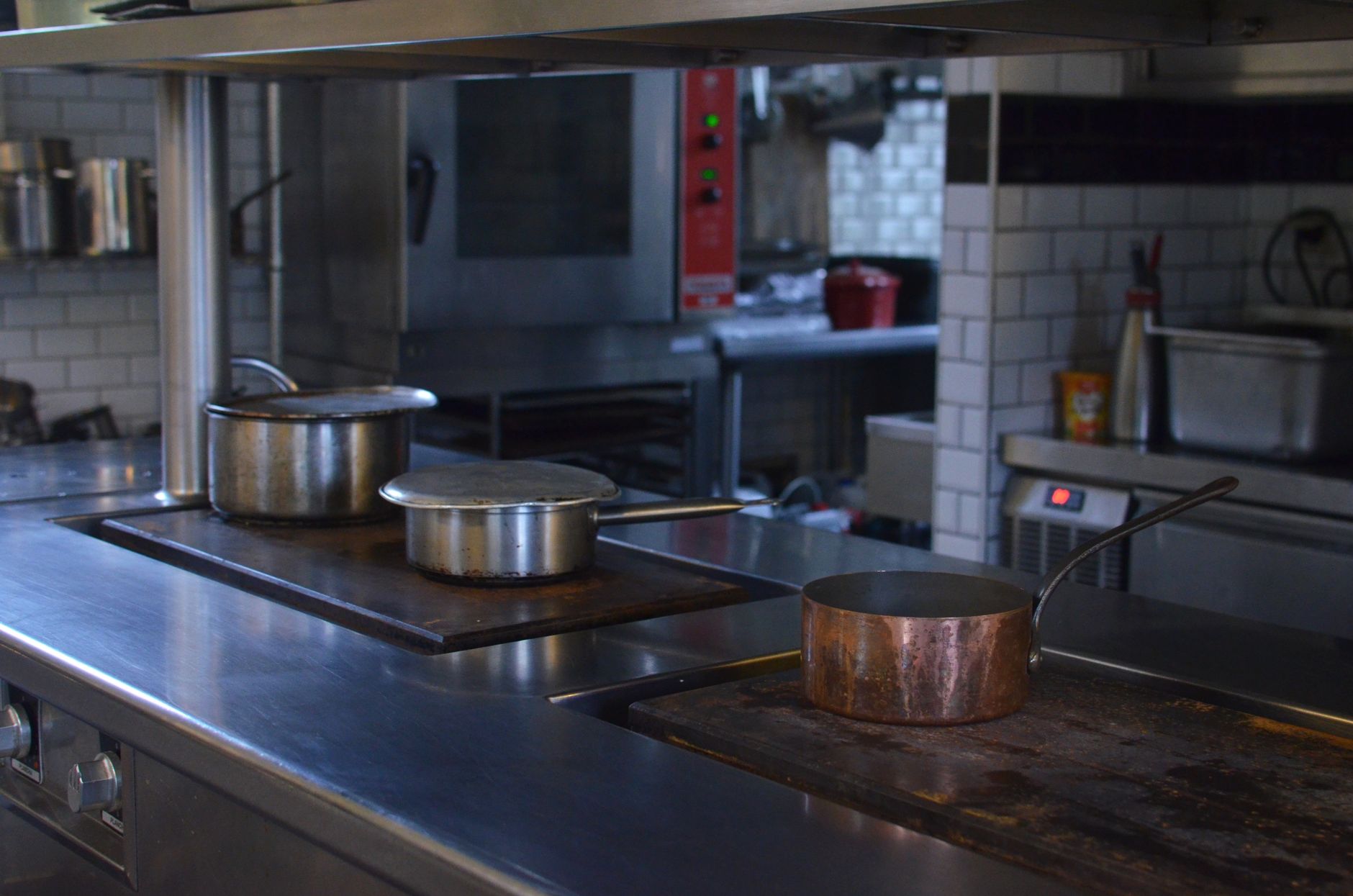
The shape decides what a pot cooks. The material decides how it heats, how long it lasts and how you clean it.
| Material | Strengths | Weaknesses |
|---|---|---|
| Stainless steel | Lasts for years, dishwasher safe, handles tomato and other acidic food, works on every stove | Food sticks unless you preheat and use oil |
| Granite / non-stick | Nothing sticks, light, cheap, needs little oil | Coating wears out; no metal utensils or high heat |
| Cast iron | Holds heat for hours, lasts generations | Heavy, rusts if left wet, needs seasoning |
| Enamelled cast iron | Cast iron heat without the seasoning | Expensive, heavy, enamel chips if dropped |
| Aluminium (uncoated) | Heats fast, light, cheap | Dents, reacts with acidic food, no induction |
| Copper | The most responsive heat control | Very expensive, needs polishing, no induction |
For most South African kitchens the real choice is between stainless steel and granite. We compare the two in detail in granite vs stainless steel pots.
The best cooking pots for your household
The best cooking pots depend less on the pot and more on who is cooking. Here is what we would point each kind of cook towards.
Students and first flats
One medium saucepan, one frying pan and one large pot. Non-stick is forgiving while you are learning and easy to clean in a small sink. The 8-piece granite pot set (R1,399) covers this and works on induction plates, which many rentals have.
Couples
You cook more variety than a student but rarely in bulk. A five-piece stainless set gives you saucepans, a frying pan and a stock pot without a cupboard full of pieces you do not use. The Stainless Steel Pots Set of 5 (R2,499) has a 3-ply base with an aluminium core and is dishwasher safe.
Families of four or more
You need size, not more pieces. Two stock pot sizes, two saucepans and a casserole pot will get most use. Stainless steel handles the daily wear of family cooking and the dishwasher. The 11-piece stainless steel set (R2,999) gives you the range of sizes.
Busy households that hate scrubbing
If cleaning up decides whether you cook at all, granite non-stick is the honest answer. Accept that the coating wears out, use wooden or silicone utensils, and keep the heat at medium.
Keen cooks and entertainers
Stainless steel for searing and pan sauces, one non-stick pan for eggs and fish, and a heavy casserole pot for slow dishes. Mixing materials is normal. Few serious cooks use one material for everything.
Which pot for which occasion

- Weeknight dinners: a saucepan and a frying pan. Non-stick or stainless both work.
- Sunday stew or curry: a casserole pot with a heavy base and tight lid, on low heat for 2 to 3 hours.
- Braai day: a cast iron potjie over coals. Stovetop pots do not belong on a fire. The flames scorch the outside and can ruin non-stick coatings and plastic handles.
- Festive meals and big gatherings: the largest stock pot you own, for rice, samp or a big batch of soup, plus a second pot for sides.
- Meal prep: a stock pot and a large sauté pan, so you can cook 4 or 5 portions at once. Then portion it into airtight food storage containers.
Cooking pots for gas stove, induction and electric

Many South African homes now have a gas hob, a backup gas burner, or both. Your stove narrows the list before anything else does.
Gas
Every material works on gas. The base matters most. A gas flame heats in a ring, so thin bases get hot spots where food burns. Look for a thick, layered base, and keep the flame inside the edge of the pot so it does not climb the sides or heat the handles.
Induction
Induction only works with a magnetic base. Hold a fridge magnet to the bottom of the pot. If it sticks firmly, the pot will work. The Melzware Stainless Steel Pots Set of 5 and the 8-piece granite set are both induction compatible. Check the listing for any other set.
Electric plates and ceramic hobs
You need a flat base that sits fully on the plate. Warped or domed bases heat unevenly and waste power. On glass ceramic hobs, lift heavy cast iron rather than sliding it.
How many pots you actually need
Three, for most people: a small saucepan, a large stock pot and a casserole pot. Add one frying pan and you can cook almost any weeknight meal.
Our one strong view: the stock pot is the pot most kitchens get wrong. Pasta needs about 1 litre of water per 100 g, so a 500 g packet needs a pot that holds at least 5 litres with room to boil. Most people try it in a saucepan, and get sticky pasta and a stove covered in starch. If your biggest pot cannot hold 5 litres, that is the next pot to buy.
A full set makes sense when you cook daily for three or more people, or when you want matching lids and sizes. Buying pieces one at a time costs more per pot, but nothing sits unused.
When not to buy a pot set
- You live alone and cook a few times a week. Two good pots and a pan will do. A 23-piece set will mostly live in the cupboard.
- Your current stainless pots are just stained. Stains and rainbow marks clean off with vinegar or bar cleaner. That is not a reason to replace them. Our guide on cooking with stainless steel pots and pans covers it.
- You want a potjie or Dutch oven. A standard pot set does not include either. Buy that one piece on its own.
- You plan to use metal utensils on non-stick. The coating will not survive it. Buy stainless instead, or change the utensils first.
If a full set does suit your kitchen, the 23-piece granite cookware set (R4,999) is built for large households and gifting. Browse every option in our pots collection.
Frequently Asked Questions
What is the difference between a pot and a pan?
A pot has tall sides and is made for liquid: boiling, simmering, soups and stews. A pan has low sides and a wide base for frying, searing and sauteing, where you want moisture to escape. Most cookware sets include both.
What are the best cooking pots for a gas stove?
Pots with a thick, layered base, such as 3-ply stainless steel with an aluminium core, spread the heat from a gas flame evenly and stop hot spots. Keep the flame inside the edge of the base so it does not scorch the sides or the handles.
Which cooking pots work on induction?
Only pots with a magnetic base. Hold a fridge magnet to the bottom of the pot. If it sticks firmly, the pot will work on induction. Plain aluminium, copper, glass and clay pots will not, unless the base has a steel plate built in.
What is the healthiest type of cooking pot?
Stainless steel, cast iron and enamelled cast iron have no coating to wear off, so they are the lowest-concern options. PFOA-free non-stick and granite pots are fine for everyday cooking if you keep the heat at medium or below and replace them once the coating scratches or peels.
How many cooking pots does a home kitchen need?
Three pots cover most home cooking: a small saucepan for sauces and rice, a large stock pot for pasta and soup, and a heavy casserole pot for stews. Add a frying pan and you can cook almost any weeknight meal. Larger households and people who batch cook get more use from a full set.
Related at Melzware
- Pots and Cookware Sets — stainless steel and granite pot sets
- Kitchen Utensils — silicone and wooden tools that are safe on non-stick
- Granite vs Stainless Steel Pots: Which Should You Buy?