

By Melzware — 17 October 2026 · 6 min read
Knowing how to use mixing bowls for baking comes down to matching the bowl to the job. Use a small bowl for eggs and melted butter, and a medium bowl with tall sides for creaming. Whip egg whites in a spotless steel bowl, and use your largest bowl for proving dough. A stainless steel bowl over a pot of simmering water also makes a double boiler for chocolate. Here is how to do each one properly.
Shop the Melzware Mixing Bowl Set
Which bowl for which baking job
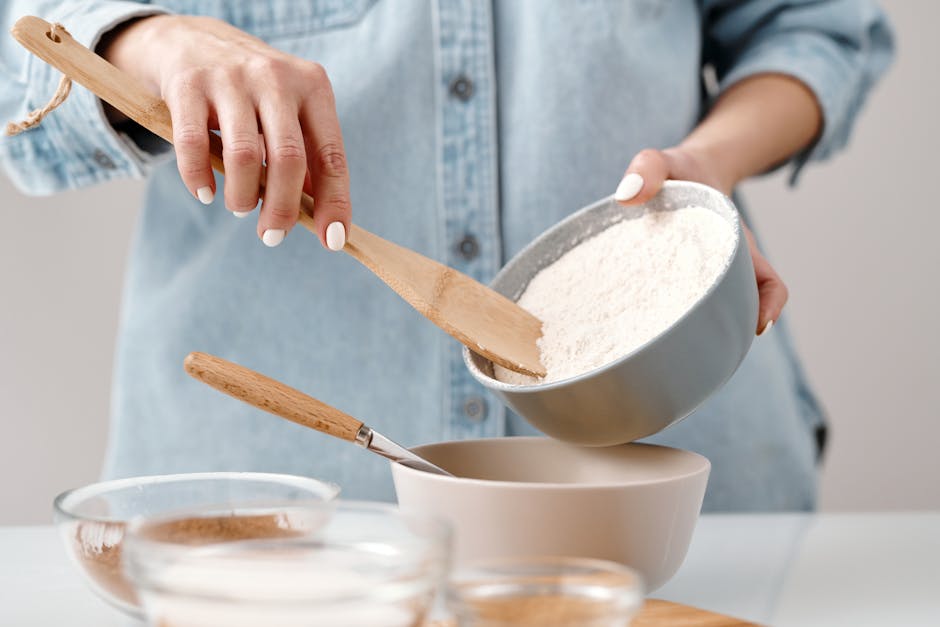
Most mixing bowl uses in baking fall into six jobs. A nesting set covers all of them.
| Job | Bowl | Why |
|---|---|---|
| Creaming | Medium, tall sides | Keeps beaters buried and sugar in |
| Egg whites | Medium to large | Whipped whites grow several times in volume |
| Melting chocolate | The bowl that sits snugly on your pot | No gap for steam to escape |
| Proving dough | Largest, with a lid | Dough needs room to double |
| Folding | Large and wide | Fewer strokes, so less air lost |
| Prep and chilling | Small | Eggs, melted butter, an ice bath for custard |
Not sure which material to buy in the first place? Our mixing bowls buying guide compares steel, glass, plastic and ceramic.
Creaming, sifting and combining
- Creaming. Use softened butter that dents when you press it, not melted. Beat with the sugar for 3 to 5 minutes until pale.
- Sifting. Sift flour, baking powder and cocoa into a separate bowl. It breaks up lumps.
- Combining. Make a well in the dry ingredients and pour the wet ones in. Mix until you can't see dry flour, then stop. Overmixing gives you tough muffins.
Whipping egg whites in a stainless steel bowl

A speck of yolk or a film of grease stops whites from foaming.
- Wipe the bowl and whisk with a paper towel dampened with vinegar or lemon juice.
- Separate each egg over a small bowl first, then tip the white into the big one. One broken yolk then ruins one egg, not six.
- Use room-temperature whites. They whip to more volume than cold ones.
- Add a pinch of cream of tartar. Copper bowls stabilise the foam on their own; steel needs this help.
- Start slow, then speed up. Add sugar a spoonful at a time once soft peaks form.
Stop when the peaks stand up and the foam looks glossy. Keep going and it turns dry and grainy.
Using a stainless steel bowl as a double boiler

You don't need a separate bain-marie. A steel bowl and one of your pots do the same job.
- Pour 3 to 5 cm of water into the pot and bring it to a gentle simmer.
- Pick a bowl that rests on the rim without touching the water.
- Chop the chocolate small and stir with a dry spatula.
- Take the bowl off when a few lumps remain. The heat in the steel finishes the job.
Steel gets hot fast, so hold the bowl with an oven glove.
Proofing dough in a stainless steel bowl
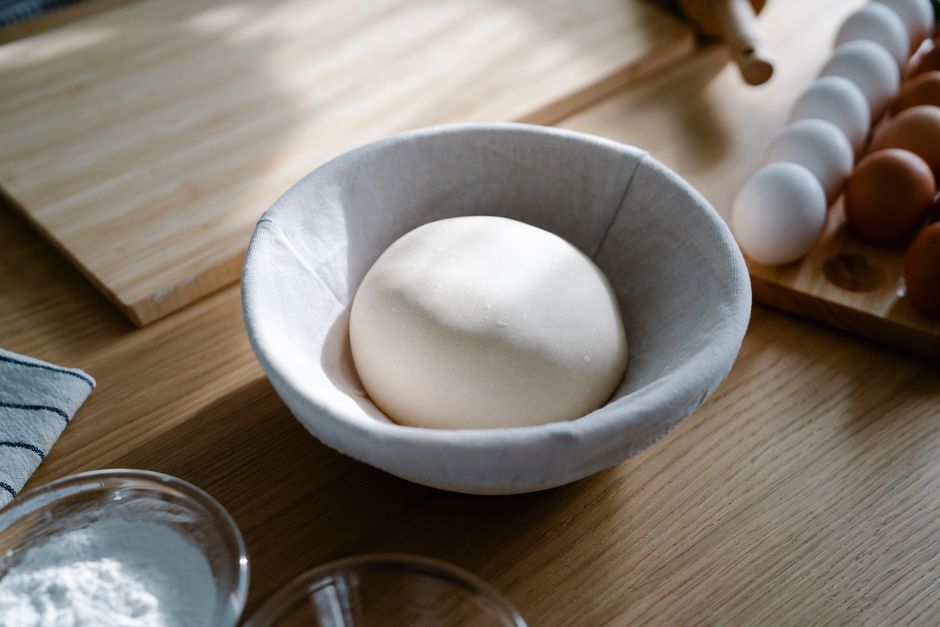
Steel passes heat quickly. In a cold kitchen it pulls warmth out of the dough, which slows the rise on a July morning on the Highveld.
- Size up. Here's our rule: the bowl should hold at least three times the volume of the dough. Dough doubles, and it needs space above that.
- Oil the bowl. A teaspoon of oil wiped round the inside.
- Cover it. Use the lid or a damp tea towel so the surface doesn't form a skin.
- Find a warm spot. In winter, put the bowl in the oven with only the light on.
The dough is ready when it has doubled and a floured finger leaves a dent that springs back slowly.
Folding and chilling
Folding. Use your widest bowl. Add a third of the whipped whites to the batter and stir to loosen it. Then fold in the rest with a spatula: cut down the middle, scrape along the bottom, turn the bowl a quarter. Repeat until no white streaks remain.
Chilling. Steel cools fast. Put the bowl in the freezer for 10 to 15 minutes before whipping cream. To cool a hot custard quickly, set its bowl inside a larger bowl of ice and water, and stir.
Can you bake in a stainless steel bowl?
We don't recommend it unless the maker says the bowl is oven safe. Thin mixing bowls heat unevenly, so the outside burns before the middle sets. Our set isn't sold as ovenware, and the plastic lids should never go near an oven.
When not to buy our set: if you mostly melt butter in the microwave, you need a glass bowl, because steel can't go in. If you bake twice a year, one large bowl may be all you need. For everyone else, a nesting set handles all six jobs. Pair it with the right kitchen utensils, like a spatula and a balloon whisk.
Frequently Asked Questions
Can you bake a cake in a stainless steel mixing bowl?
Only if the maker says the bowl is oven safe. Many mixing bowls are thin and not made for oven heat, and the edges can burn before the centre cooks. Our set isn't sold as ovenware, so use a proper cake tin or a glass or ceramic dish rated for the oven.
Why did my chocolate go grainy over the double boiler?
It seized. A drop of water or steam got into the chocolate, or it got too hot. Keep the water at a gentle simmer, make sure the bowl fits the pot snugly so steam can't escape round the sides, and take the bowl off the heat when a few lumps are left.
Should I grease the bowl before proving bread dough?
Yes. A teaspoon of oil wiped round the inside stops the dough sticking as it rises and makes it easy to tip out. Cover the bowl with its lid or a damp tea towel so the surface doesn't dry out.
Should you chill the bowl before whipping cream?
Yes. Ten to fifteen minutes in the freezer is enough. Cold cream in a cold steel bowl whips faster and holds its shape longer, which helps on a hot day. Don't chill the bowl for egg whites; they whip better at room temperature.
Related at Melzware
- 15 Piece Stainless Steel Mixing Bowls
- Shop kitchen utensils
- Shop pots and cookware
- Mixing bowls: how to choose the right set for baking